

The maximum height a column palletizing robot can stack is a critical factor for businesses in various industries, especially those dealing with large - scale warehousing and logistics. As a leading supplier of column palletizing robots, we are often asked this question by our potential clients. In this blog, we will delve into the key elements that determine this maximum stacking height.
The Influence of Robot Design and Structure
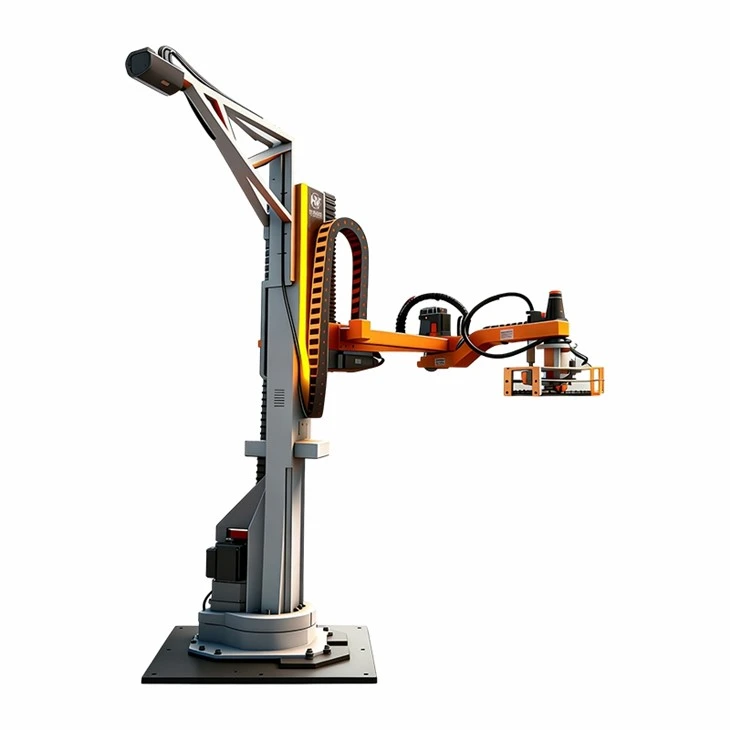
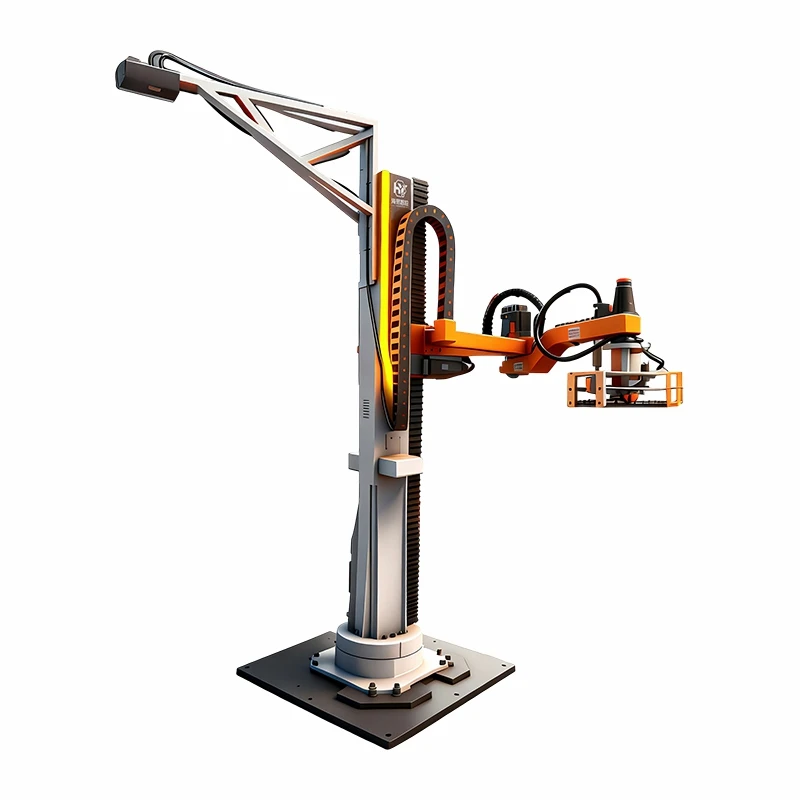
The design and structure of a column palletizing robot play a fundamental role in defining its maximum stacking height. Our Column Robot Palletizer is engineered with a robust column structure which provides the necessary stability for high - stack operations. The column's height, material strength, and construction quality are all carefully considered during the design phase.
For instance, some of our Single Column Robot Palletizer models are designed with a high - strength steel column. The use of this material allows the robot to withstand the lateral and vertical forces generated during the stacking process. The higher the column, the greater the potential stacking height. However, as the height increases, the robotic system needs to be able to maintain its balance and precision. Our engineers have incorporated advanced counter - balancing mechanisms in these robots to ensure that even at significant heights, the robot can operate smoothly and safely.
Load Capacity and Stacking Mechanics
Another crucial aspect that affects the maximum stacking height is the load capacity of the palletizing robot. Each Palletizing Robotic Arm has a specific weight - handling limit. This limit is not only determined by the strength of the robot's arm but also by the integrity of the stacked load.
When stacking heavy loads, the risk of load instability increases with height. A column palletizing robot must be programmed to distribute the weight evenly across the stack. For example, if a robot is handling large and heavy boxes, it might start with a wider base and gradually reduce the footprint of the stack as it goes higher. This not only helps to improve the stability of the stack but also ensures that the robot is operating within its load - capacity limits. Our robotic systems are equipped with intelligent sensors and algorithms that can analyze the load characteristics and adjust the stacking pattern accordingly.
Safety Considerations
Safety is of utmost importance when it comes to determining the maximum stacking height of a column palletizing robot. Regulatory standards and industry best practices need to be followed to prevent accidents such as stack collapses.
Over - stacking can lead to a center of gravity that is too high, increasing the likelihood of the stack toppling over. Our column palletizing robots are designed with built - in safety features such as anti - collision sensors and load - monitoring systems. These sensors can detect any abnormal movements or excessive forces, and immediately halt the stacking process to prevent any potential hazards.
Environmental Factors
The working environment also has an impact on the maximum stacking height. Factors such as floor stability, temperature, and humidity can all influence the operation of the column palletizing robot and the stability of the stack.
A uneven or weak floor can cause the robot to become unstable during the stacking process, which in turn limits the maximum height. In areas with high humidity or extreme temperatures, certain types of products might expand or contract, affecting the stability of the stack. Our engineering team has designed our robots to be adaptable to different environmental conditions. For example, we can provide additional floor - anchoring systems for robots operating on less - stable floors and temperature - and humidity - controlled enclosures for sensitive product applications.
Calculating the Maximum Stacking Height
The maximum stacking height of a column palletizing robot can be calculated based on a combination of factors. First, the physical height of the robot's column and the reach of its robotic arm are the primary limiting factors. For example, if a robot has a column height of 5 meters and an arm reach that allows it to place loads 1 meter above the top of the column, the absolute maximum theoretical height of the stack it could potentially achieve is 6 meters.
However, as mentioned earlier, other factors such as load capacity, safety margins, and environmental conditions need to be considered. Our technical support team can conduct a detailed on - site assessment for clients. They will analyze the specific product characteristics, the layout of the warehouse, and the environmental conditions to provide an accurate calculation of the maximum stacking height for a particular application.
Case Studies
To better understand the practical implications of the maximum stacking height, let's look at some case studies. In a food - processing plant, our Single Column Robot Palletizer was used to stack cartons of packaged food products. After careful analysis of the product weight, size, and the available warehouse space, we determined that a maximum stacking height of 4 meters was achievable. This height not only maximized the storage space in the warehouse but also ensured the safety and stability of the stacks.
In another case, a logistics company was dealing with heavier and larger pallets. They used our Column Robot Palletizer to stack these pallets. Due to the higher load capacity requirements and the need for a more stable base, the maximum stacking height was set at 3.5 meters. This decision was made to maintain the overall efficiency of the palletizing process while ensuring the long - term safety and integrity of the stacks.
Conclusion
In conclusion, the maximum height a column palletizing robot can stack is a complex function of multiple factors, including robot design, load capacity, safety considerations, and the working environment. As a trusted supplier of column palletizing robots, we have the expertise and technology to provide customized solutions for our clients.
Whether you are looking to optimize your warehouse storage space, improve your logistics efficiency, or enhance the safety of your palletizing operations, our team of experts is ready to assist you. If you are interested in learning more about our Column Robot Palletizer, Palletizing Robotic Arm, or Single Column Robot Palletizer, we encourage you to contact us for a detailed consultation. We can help you determine the most suitable maximum stacking height for your specific requirements and guide you through the process of purchasing and implementing the right robotic system for your business.
References
- "Robotics in Material Handling" - Industry report on the application of robots in warehousing and logistics.
- "Safety Standards for Palletizing Robots" - Published by relevant industrial safety organizations, outlining the key safety requirements for robot - assisted palletizing operations.
- "Advanced Manufacturing Technologies in Packaging" - Research on the latest technologies used in the packaging and palletizing industries, emphasizing the role of column palletizing robots.