

Error handling is a crucial aspect of any industrial automation system, and the Column Robot Palletizer is no exception. As a leading supplier of [Column Robot Palletizer], we understand the importance of a robust error - handling mechanism to ensure the smooth and efficient operation of our equipment. In this blog, we will delve into the error - handling mechanism of the Column Robot Palletizer, exploring its components, functions, and how it contributes to the overall reliability of the system.
Understanding the Column Robot Palletizer
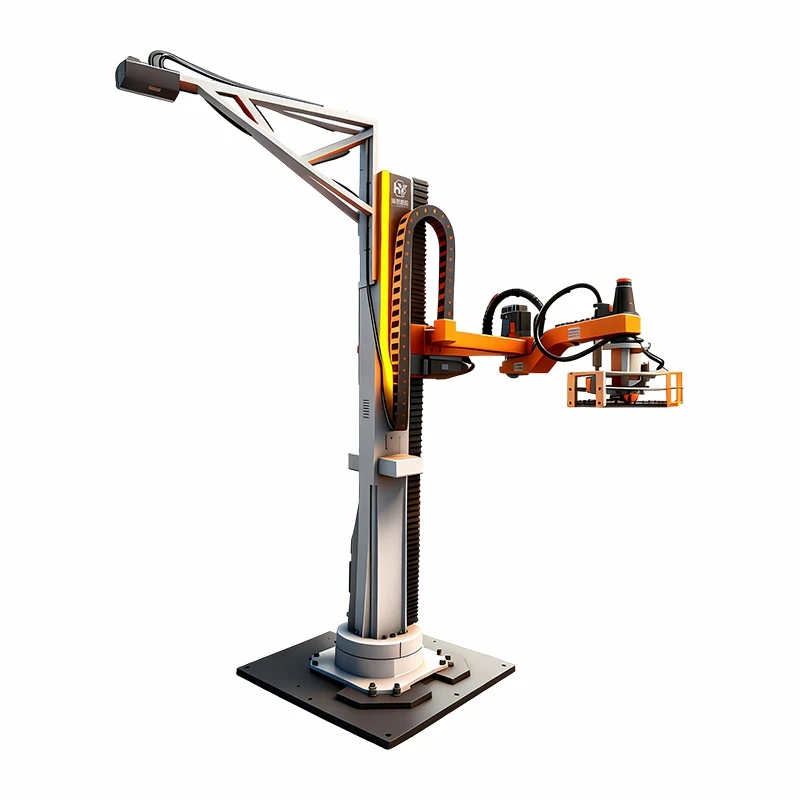
Before we discuss the error - handling mechanism, let's briefly introduce the Column Robot Palletizer. The [Column Robot Palletizer] is a highly efficient and flexible solution for palletizing various products. It uses a column - based structure to provide a stable and precise movement for picking, transporting, and stacking products onto pallets. Our [Column Robot Palletizer] is designed to handle a wide range of product sizes and weights, making it suitable for diverse industries such as food and beverage, pharmaceuticals, and logistics.
One of our popular models is the [Single Column Robot Palletizer], which offers a compact and cost - effective solution for small to medium - scale operations. You can learn more about it on our website: Single Column Robot Palletizer. Additionally, our [Single Column Robot] provides a solid foundation for the palletizing process. More details can be found here: Single Column Robot.
Components of the Error - Handling Mechanism
The error - handling mechanism of the Column Robot Palletizer consists of several key components, each playing a vital role in detecting, diagnosing, and resolving errors.
Sensors
Sensors are the eyes and ears of the Column Robot Palletizer. They are installed at various points in the system to monitor different parameters such as position, speed, force, and presence of products. For example, proximity sensors are used to detect the presence of products at the picking and stacking stations. Load cells are employed to measure the weight of the products being handled, ensuring that the robot does not exceed its load capacity. Encoders are used to monitor the position and movement of the robot's joints, providing accurate feedback to the control system.
Control System
The control system is the brain of the Column Robot Palletizer. It receives data from the sensors and processes it to make decisions about the robot's operation. When an error is detected, the control system can take immediate action, such as stopping the robot, sending an alarm, or attempting to correct the error automatically. The control system also stores error codes and diagnostic information, which can be used for troubleshooting and maintenance.

Alarm System
The alarm system is an important part of the error - handling mechanism. It alerts the operators when an error occurs, providing visual and auditory signals. The alarms can be classified into different levels based on the severity of the error. For example, a minor error such as a sensor malfunction may trigger a warning alarm, while a major error such as a mechanical failure may trigger an emergency stop alarm.
Diagnostic Tools
Diagnostic tools are used to analyze the error codes and diagnostic information stored in the control system. These tools can help the operators and maintenance personnel to quickly identify the root cause of the error and take appropriate corrective actions. Some diagnostic tools also provide real - time monitoring and analysis of the system's performance, allowing for proactive maintenance and error prevention.
Error Detection
Error detection is the first step in the error - handling process. The sensors in the Column Robot Palletizer continuously monitor the system's operation and detect any abnormal conditions. Here are some common types of errors that can be detected:
Mechanical Errors
Mechanical errors can occur due to wear and tear, misalignment, or damage to the robot's mechanical components. For example, a loose belt or a worn - out bearing can cause the robot to move erratically or stop working. The sensors can detect changes in the robot's movement, such as vibrations or abnormal forces, and trigger an alarm.
Electrical Errors
Electrical errors can be caused by issues such as short circuits, open circuits, or power supply problems. The control system can monitor the electrical parameters, such as voltage and current, and detect any abnormal values. For example, if the voltage drops below a certain level, the control system can stop the robot to prevent damage to the electrical components.
Software Errors
Software errors can occur due to bugs in the control software or incorrect programming. The control system can detect software errors by monitoring the execution of the programs and comparing the actual results with the expected results. If a software error is detected, the control system can attempt to restart the program or take other corrective actions.
Product - Related Errors
Product - related errors can occur when the products being handled are not in the correct position, orientation, or condition. For example, if a product is misaligned at the picking station, the robot may not be able to pick it up correctly. The sensors can detect the position and orientation of the products and trigger an alarm if an error is detected.
Error Diagnosis
Once an error is detected, the next step is to diagnose the root cause of the error. The diagnostic tools in the Column Robot Palletizer can analyze the error codes and diagnostic information stored in the control system to identify the problem. Here are some common methods used for error diagnosis:
Rule - Based Diagnosis
Rule - based diagnosis uses a set of predefined rules to identify the root cause of the error. These rules are based on the knowledge and experience of the system designers and maintenance personnel. For example, if a sensor indicates that the robot's arm is not moving correctly, the rule - based diagnosis system can check if the motor is functioning properly, if the belt is loose, or if there is a mechanical obstruction.
Model - Based Diagnosis
Model - based diagnosis uses a mathematical model of the system to simulate its behavior under different conditions. By comparing the actual behavior of the system with the simulated behavior, the model - based diagnosis system can identify the root cause of the error. For example, if the model predicts that the robot should be able to pick up a product within a certain time, but the actual time is much longer, the model - based diagnosis system can analyze the possible reasons, such as a problem with the gripper or a misaligned product.
Data - Driven Diagnosis
Data - driven diagnosis uses machine learning algorithms to analyze the historical data of the system's operation. By identifying patterns and trends in the data, the data - driven diagnosis system can predict the likelihood of an error occurring and take preventive measures. For example, if the data shows that a certain component has a high failure rate after a certain number of operating hours, the data - driven diagnosis system can recommend replacing the component before it fails.
Error Resolution
After the root cause of the error is diagnosed, the next step is to resolve the error. The error - handling mechanism of the Column Robot Palletizer provides several options for error resolution:
Automatic Correction
In some cases, the control system can automatically correct the error without the need for operator intervention. For example, if a sensor detects that the robot's arm is slightly misaligned, the control system can adjust the position of the arm to correct the misalignment. Automatic correction can save time and reduce the downtime of the system.
Operator Intervention
In other cases, operator intervention may be required to resolve the error. The alarm system alerts the operators when an error occurs, and the operators can use the diagnostic tools to identify the root cause of the error and take appropriate corrective actions. For example, if a mechanical component is damaged, the operators can replace the component.
Maintenance and Upgrades
Regular maintenance and upgrades are essential to prevent errors from occurring in the first place. The Column Robot Palletizer should be inspected and maintained according to the manufacturer's recommendations. Upgrades to the software and hardware can also improve the system's performance and reliability.
Importance of a Robust Error - Handling Mechanism
A robust error - handling mechanism is essential for the reliable operation of the Column Robot Palletizer. Here are some of the benefits of having a good error - handling mechanism:
Reduced Downtime
By quickly detecting and resolving errors, the error - handling mechanism can reduce the downtime of the system. This can increase the productivity of the production line and minimize the loss of revenue.
Improved Product Quality
Errors in the palletizing process can lead to damaged products or incorrect stacking. A robust error - handling mechanism can ensure that the products are palletized correctly, improving the overall product quality.
Enhanced Safety
Errors in the operation of the Column Robot Palletizer can pose a safety risk to the operators and the surrounding environment. The error - handling mechanism can detect and prevent potential safety hazards, such as collisions or overloading.
Cost Savings
By reducing downtime, improving product quality, and enhancing safety, the error - handling mechanism can result in significant cost savings for the users.
Conclusion
The error - handling mechanism of the Column Robot Palletizer is a complex and critical part of the system. It consists of sensors, a control system, an alarm system, and diagnostic tools, which work together to detect, diagnose, and resolve errors. A robust error - handling mechanism can reduce downtime, improve product quality, enhance safety, and save costs.
If you are interested in our [Column Robot Palletizer] and would like to learn more about its features and capabilities, or if you have any questions about the error - handling mechanism, please feel free to contact us for procurement and further discussions. We are committed to providing high - quality products and excellent customer service.
References
- [1] Industrial Automation Handbook, 3rd Edition
- [2] Robotics and Automation Technology, 2nd Edition
- [3] Error Handling in Industrial Control Systems, Journal of Automation Engineering