

In the dynamic landscape of modern industrial automation, Autonomous Mobile Platforms (AMPs) have emerged as a revolutionary force, transforming the way businesses operate. As a leading supplier of Autonomous Mobile Platforms, I am often asked about the speed range of these remarkable machines. In this blog post, I will delve into the factors that influence the speed of AMPs, explore the typical speed ranges, and discuss the implications for various applications.
Factors Influencing the Speed of Autonomous Mobile Platforms
The speed of an Autonomous Mobile Platform is not a fixed value but rather a variable that is influenced by several key factors. Understanding these factors is crucial for optimizing the performance of AMPs in different environments and applications.

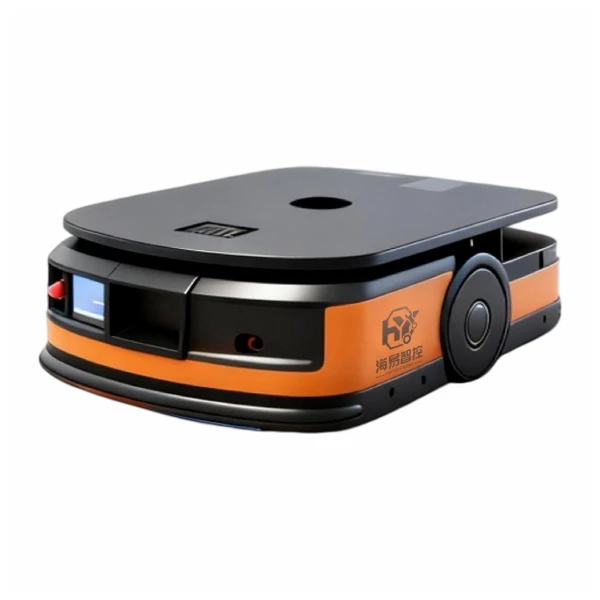
1. Payload Capacity
One of the primary factors that affect the speed of an AMP is the payload it is carrying. As the payload increases, the platform needs to exert more force to move, which can result in a decrease in speed. For example, a small AMP designed for light-duty tasks may be able to achieve higher speeds when carrying a minimal payload, but its speed will likely decrease when it is loaded with a heavier object.
2. Terrain and Surface Conditions
The type of terrain and surface conditions also play a significant role in determining the speed of an AMP. Smooth, flat surfaces allow for faster movement, while rough or uneven terrain can slow down the platform. Additionally, factors such as inclines, declines, and obstacles can further impact the speed and maneuverability of the AMP.
3. Navigation and Safety Systems
The navigation and safety systems of an AMP are designed to ensure the safe and efficient operation of the platform. These systems may include sensors, cameras, and algorithms that help the AMP detect and avoid obstacles, navigate through complex environments, and maintain a safe distance from other objects. However, these systems can also limit the speed of the AMP, as they need to process information in real-time and make decisions accordingly.
4. Battery Life and Power Consumption
The battery life and power consumption of an AMP are important considerations when determining its speed. Higher speeds generally require more power, which can drain the battery more quickly. Therefore, the speed of the AMP may need to be adjusted to ensure that it can operate for the desired duration without running out of power.
Typical Speed Ranges of Autonomous Mobile Platforms
The speed range of an Autonomous Mobile Platform can vary depending on the specific model and application. However, most AMPs typically operate within a range of 0.5 to 2 meters per second (m/s), which is equivalent to approximately 1.8 to 7.2 kilometers per hour (km/h).
1. Low-Speed Applications
In some applications, such as indoor logistics and material handling, lower speeds may be preferred to ensure safety and precision. For example, an AMP used in a warehouse to transport goods between different locations may operate at a speed of 0.5 to 1 m/s to avoid collisions with other objects and to ensure smooth and accurate movement.
2. Medium-Speed Applications
Medium-speed applications, such as manufacturing and assembly lines, may require AMPs to operate at speeds of 1 to 1.5 m/s. These speeds allow for efficient movement of materials and products while maintaining a high level of accuracy and safety.
3. High-Speed Applications
In certain applications, such as outdoor transportation and large-scale logistics, higher speeds may be necessary to meet the demands of the operation. For example, an AMP used in a distribution center to transport goods over long distances may operate at speeds of 1.5 to 2 m/s to increase productivity and reduce delivery times.
Implications for Various Applications
The speed range of an Autonomous Mobile Platform has significant implications for various applications. By understanding the speed requirements of different tasks and environments, businesses can select the appropriate AMPs to meet their specific needs.
1. Logistics and Warehousing
In the logistics and warehousing industry, AMPs are used to automate the movement of goods within a facility. The speed of the AMPs can have a direct impact on the efficiency and productivity of the operation. By selecting AMPs with the appropriate speed range, businesses can optimize their material handling processes and reduce labor costs.
2. Manufacturing and Assembly
In the manufacturing and assembly industry, AMPs are used to transport materials and components between different workstations. The speed of the AMPs can affect the overall production cycle time and throughput. By choosing AMPs with higher speeds, businesses can increase the efficiency of their manufacturing processes and improve product quality.
3. Healthcare and Hospitality
In the healthcare and hospitality industry, AMPs are used to transport medical supplies, equipment, and food within a facility. The speed of the AMPs can impact the response time and patient care. By selecting AMPs with appropriate speed ranges, healthcare providers can improve the efficiency of their operations and enhance the patient experience.
Conclusion
In conclusion, the speed range of an Autonomous Mobile Platform is influenced by several factors, including payload capacity, terrain and surface conditions, navigation and safety systems, and battery life and power consumption. Most AMPs typically operate within a range of 0.5 to 2 m/s, depending on the specific model and application. By understanding the speed requirements of different tasks and environments, businesses can select the appropriate AMPs to meet their specific needs and optimize their operations.
If you are interested in learning more about our Autonomous Mobile Platform solutions or have any questions about the speed range of our products, please do not hesitate to contact us. Our team of experts is ready to assist you in finding the perfect solution for your business.