

In the realm of public transportation, the integration of AGV (Automated Guided Vehicle) and AMR (Autonomous Mobile Robot) technologies is revolutionizing the way we think about passenger safety. As a supplier of AGV Amr Robots, I've witnessed firsthand the transformative potential of these advanced machines in enhancing the safety and efficiency of public transit systems.
Understanding AGV and AMR Technologies
AGV and AMR robots are at the forefront of the automation revolution in public transportation. AGVs are typically guided by physical markers such as magnetic strips or wires embedded in the floor, following pre - defined paths. On the other hand, AMRs are more flexible and can navigate autonomously using sensors, cameras, and advanced algorithms. They can adapt to dynamic environments, avoiding obstacles in real - time.
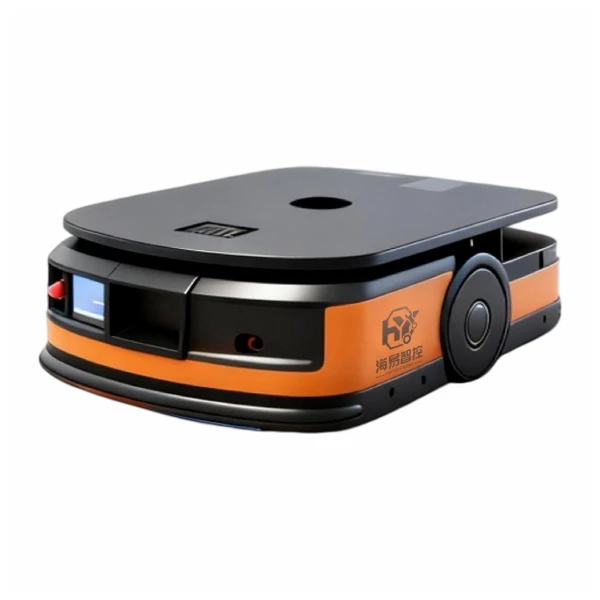
The Mobile Autonomous Intelligent Robot is a prime example of the cutting - edge technology in this field. These robots are equipped with state - of - the - art sensors that can detect passengers, obstacles, and changes in the environment. They use LiDAR (Light Detection and Ranging), cameras, and ultrasonic sensors to create a detailed map of their surroundings. This enables them to make informed decisions about their movement, ensuring the safety of passengers.
Handling Passenger Safety in Boarding and Alighting
One of the critical aspects of passenger safety in public transportation is the process of boarding and alighting. AGV Amr Robots are designed to handle this process with precision. They can adjust their speed and position to align perfectly with the boarding area, providing a smooth and safe transition for passengers.
For instance, the AGV Amr Robot can use its sensors to detect the presence of passengers waiting to board. It can then slow down and stop at the appropriate location, ensuring that the doors are in line with the boarding platform. Once passengers have boarded, the robot can use its internal sensors to detect if all passengers are safely seated or standing before moving off.
During alighting, the robot can detect when a passenger is approaching the door. It will ensure that the door remains open long enough for the passenger to exit safely. The robot's sensors can also detect if a passenger has become stuck in the door or if there is an obstruction, and it will take appropriate action, such as stopping the door from closing or sounding an alarm.
Navigation and Obstacle Avoidance
In a public transportation environment, AGV Amr Robots need to navigate through crowded spaces while avoiding obstacles. The Autonomous Mobile Platform provides the foundation for this navigation. It uses advanced algorithms to plan the most efficient route while taking into account the presence of other vehicles, pedestrians, and static obstacles.
The sensors on the AGV Amr Robots continuously monitor the environment. If an obstacle is detected, the robot can quickly adjust its path to avoid a collision. For example, if a pedestrian suddenly steps in front of the robot, the sensors will detect the movement, and the robot will immediately stop or change its course. This real - time response is crucial for ensuring passenger safety.
Emergency Response and Safety Features
AGV Amr Robots are equipped with a range of emergency response and safety features. In the event of an emergency, such as a sudden power failure or a system malfunction, the robot can activate its emergency stop function. This will bring the robot to a halt immediately, preventing any potential accidents.
The robots also have backup power systems to ensure that they can still operate in the event of a power outage. This is particularly important in public transportation, where passengers may be on board. The backup power allows the robot to move to a safe location, such as a nearby station, and open the doors to allow passengers to exit.
In addition, the robots are equipped with communication systems that can send alerts to the control center in case of an emergency. This enables the operators to take immediate action, such as dispatching maintenance teams or providing assistance to passengers.
Data Analytics and Continuous Improvement
To further enhance passenger safety, AGV Amr Robots collect a vast amount of data during their operation. This data includes information about the robot's movement, sensor readings, and passenger interactions. By analyzing this data, we can identify potential safety risks and make improvements to the robot's design and operation.
For example, if the data shows that a particular area of the route has a high incidence of near - misses, we can adjust the robot's navigation algorithms to avoid that area or slow down in that location. Data analytics also allows us to monitor the performance of the safety features and make sure they are working effectively.
Regulatory Compliance and Standards
In the public transportation sector, regulatory compliance is of utmost importance. AGV Amr Robots must meet strict safety standards set by regulatory bodies. These standards cover aspects such as vehicle design, sensor performance, and emergency response capabilities.
As a supplier, we ensure that our AGV Amr Robots comply with all relevant regulations. We work closely with regulatory authorities to ensure that our products are safe for use in public transportation. This not only protects passengers but also builds trust in the technology.
Training and Support for Operators
Another crucial aspect of ensuring passenger safety is providing proper training and support for operators. Operators need to be familiar with the operation of the AGV Amr Robots, including how to handle emergencies and perform routine maintenance.
We offer comprehensive training programs for operators, covering topics such as robot operation, safety procedures, and troubleshooting. In addition, we provide ongoing support to operators, including remote monitoring and technical assistance. This ensures that operators can effectively manage the AGV Amr Robots and respond to any safety - related issues in a timely manner.

Conclusion
AGV Amr Robots have the potential to significantly enhance passenger safety in public transportation. Through their advanced navigation, obstacle avoidance, emergency response, and data analytics capabilities, these robots can provide a safe and reliable transportation experience for passengers.
As a supplier of AGV Amr Robots, we are committed to continuously improving our products and services to meet the highest safety standards. If you are interested in learning more about how our AGV Amr Robots can enhance the safety of your public transportation system, we invite you to contact us for a procurement discussion. We look forward to working with you to revolutionize public transportation safety.
References
- Industry reports on AGV and AMR technologies in public transportation.
- Research papers on autonomous vehicle safety and navigation.
- Regulatory guidelines for public transportation vehicles.