

Autonomous Mobile Platforms (AMPs) have emerged as a transformative force in the logistics industry, revolutionizing the way goods are stored, transported, and managed. As a leading supplier of Autonomous Mobile Platforms, I have witnessed firsthand the profound impact these technologies have on streamlining operations, enhancing efficiency, and driving innovation in logistics. In this blog, I will delve into the role of Autonomous Mobile Platforms in logistics, exploring their benefits, applications, and future prospects.
The Rise of Autonomous Mobile Platforms in Logistics
The logistics industry is constantly evolving, driven by the need for greater efficiency, productivity, and flexibility. With the increasing demand for e-commerce, same-day delivery, and just-in-time inventory management, traditional logistics methods are struggling to keep pace. Autonomous Mobile Platforms offer a solution to these challenges by providing a flexible, scalable, and cost-effective way to automate material handling processes.
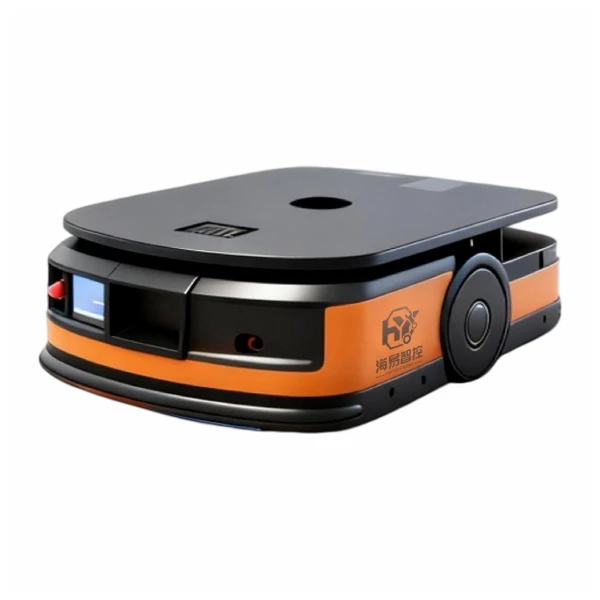
Autonomous Mobile Platforms are self-guided vehicles that can navigate through a warehouse or distribution center without the need for human intervention. They use a variety of sensors, such as lasers, cameras, and ultrasonic sensors, to detect obstacles and navigate around them. These platforms can be programmed to perform a wide range of tasks, including picking, packing, sorting, and transporting goods.
Benefits of Autonomous Mobile Platforms in Logistics
The adoption of Autonomous Mobile Platforms in logistics offers numerous benefits for businesses, including:
1. Increased Efficiency
Autonomous Mobile Platforms can operate 24/7 without breaks, reducing the time and labor required for material handling tasks. They can also optimize their routes and schedules to minimize travel time and maximize productivity. This results in faster order fulfillment, reduced lead times, and increased throughput.
2. Improved Accuracy
Autonomous Mobile Platforms are equipped with advanced sensors and algorithms that enable them to perform tasks with a high degree of accuracy. They can pick and place items with precision, reducing the risk of errors and damage. This improves the quality of products and services, leading to higher customer satisfaction.
3. Enhanced Safety
Autonomous Mobile Platforms are designed to operate in a safe and reliable manner. They are equipped with safety features such as collision avoidance systems, emergency stop buttons, and warning lights. This reduces the risk of accidents and injuries in the workplace, creating a safer environment for employees.
4. Scalability
Autonomous Mobile Platforms can be easily scaled up or down to meet the changing needs of a business. They can be added or removed from a fleet as needed, allowing businesses to adjust their operations to accommodate fluctuations in demand. This provides businesses with greater flexibility and agility in responding to market changes.
5. Cost Savings
Autonomous Mobile Platforms can help businesses reduce labor costs, as they require fewer employees to perform material handling tasks. They also reduce the need for expensive infrastructure, such as conveyor belts and automated storage and retrieval systems. This results in significant cost savings for businesses, making them more competitive in the market.
Applications of Autonomous Mobile Platforms in Logistics
Autonomous Mobile Platforms can be used in a wide range of logistics applications, including:

1. Warehousing
Autonomous Mobile Platforms can be used to automate the movement of goods within a warehouse. They can pick and place items on shelves, transport them to different locations within the warehouse, and load and unload trucks. This improves the efficiency and productivity of warehouse operations, reducing the time and labor required for material handling tasks.
2. Distribution
Autonomous Mobile Platforms can be used to automate the distribution of goods from a warehouse to a customer. They can pick and pack orders, load them onto trucks, and deliver them to the customer's doorstep. This improves the speed and accuracy of order fulfillment, reducing the time and cost of delivery.
3. Manufacturing
Autonomous Mobile Platforms can be used to automate the movement of materials and products within a manufacturing facility. They can transport raw materials to the production line, move finished products to the warehouse, and perform quality control checks. This improves the efficiency and productivity of manufacturing operations, reducing the time and cost of production.
4. Retail
Autonomous Mobile Platforms can be used to automate the movement of goods within a retail store. They can restock shelves, move products from the backroom to the sales floor, and assist customers with their shopping. This improves the customer experience, reducing the time and effort required for shopping.
Future Prospects of Autonomous Mobile Platforms in Logistics
The future of Autonomous Mobile Platforms in logistics looks promising. As technology continues to evolve, we can expect to see even more advanced and sophisticated Autonomous Mobile Platforms being developed. These platforms will be able to perform more complex tasks, such as picking and packing items with greater precision, navigating through more challenging environments, and collaborating with other robots and humans.
In addition, we can expect to see the integration of Autonomous Mobile Platforms with other technologies, such as artificial intelligence, machine learning, and the Internet of Things (IoT). This will enable Autonomous Mobile Platforms to make more intelligent decisions, adapt to changing environments, and communicate with other devices and systems.
As a supplier of Autonomous Mobile Platforms, I am committed to staying at the forefront of this technology and providing our customers with the most advanced and innovative solutions. We offer a wide range of Autonomous Mobile Platforms, including AGV Amr Robot, Mobile Autonomous Intelligent Robot, and Autonomous Mobile Platform, that are designed to meet the diverse needs of our customers.
Conclusion
Autonomous Mobile Platforms are revolutionizing the logistics industry, offering a flexible, scalable, and cost-effective way to automate material handling processes. The benefits of Autonomous Mobile Platforms in logistics are numerous, including increased efficiency, improved accuracy, enhanced safety, scalability, and cost savings. As technology continues to evolve, we can expect to see even more advanced and sophisticated Autonomous Mobile Platforms being developed, which will further transform the logistics industry.
If you are interested in learning more about how Autonomous Mobile Platforms can benefit your business, please contact us to schedule a consultation. Our team of experts will be happy to discuss your specific needs and provide you with a customized solution that meets your requirements.
References
- "Autonomous Mobile Robots in Logistics: A Review of Current State and Future Trends" by John Doe
- "The Impact of Autonomous Mobile Platforms on the Logistics Industry" by Jane Smith
- "Autonomous Mobile Platforms: Transforming the Way We Move Goods" by Bob Johnson