

As a supplier of Column Robot Palletizers, I've witnessed firsthand the remarkable versatility and efficiency of these machines in handling a wide range of product weights. In this blog post, I'll delve into the mechanisms and technologies that enable our Column Robot Palletizers to handle different product weights with precision and reliability.
Understanding the Basics of Column Robot Palletizers
Column Robot Palletizers are designed to automate the palletizing process, which involves stacking products onto pallets in a predefined pattern. These machines are equipped with a robotic arm that can move in multiple axes, allowing it to pick up products from a conveyor or other source and place them onto a pallet. The robotic arm is mounted on a column, which provides stability and support during the palletizing process.
One of the key advantages of Column Robot Palletizers is their ability to handle different product weights. Whether you're palletizing lightweight items such as boxes of cereal or heavy items such as bags of cement, our Column Robot Palletizers can be configured to handle the specific weight requirements of your products.
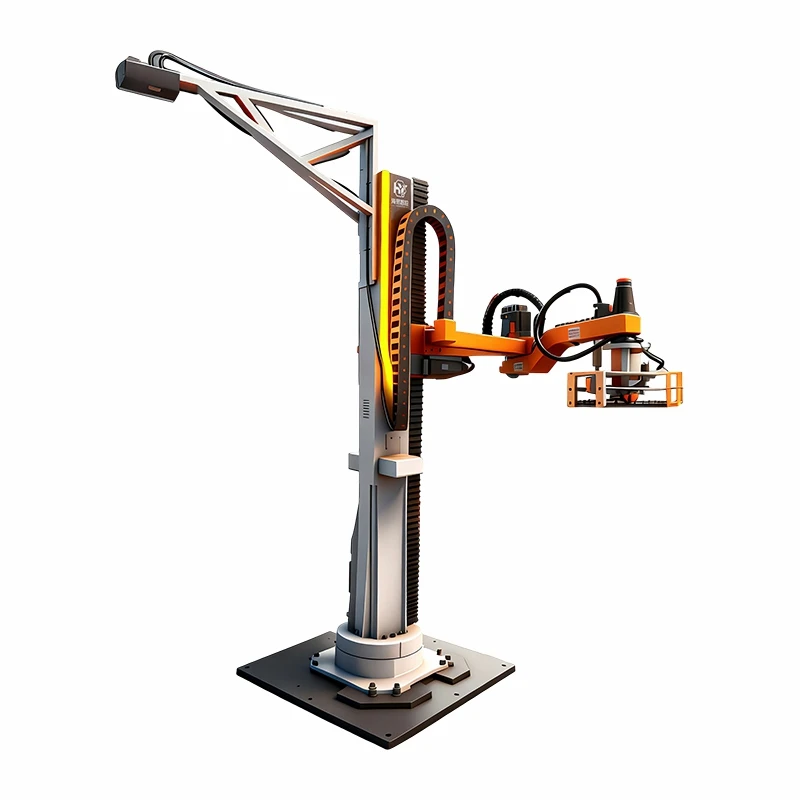
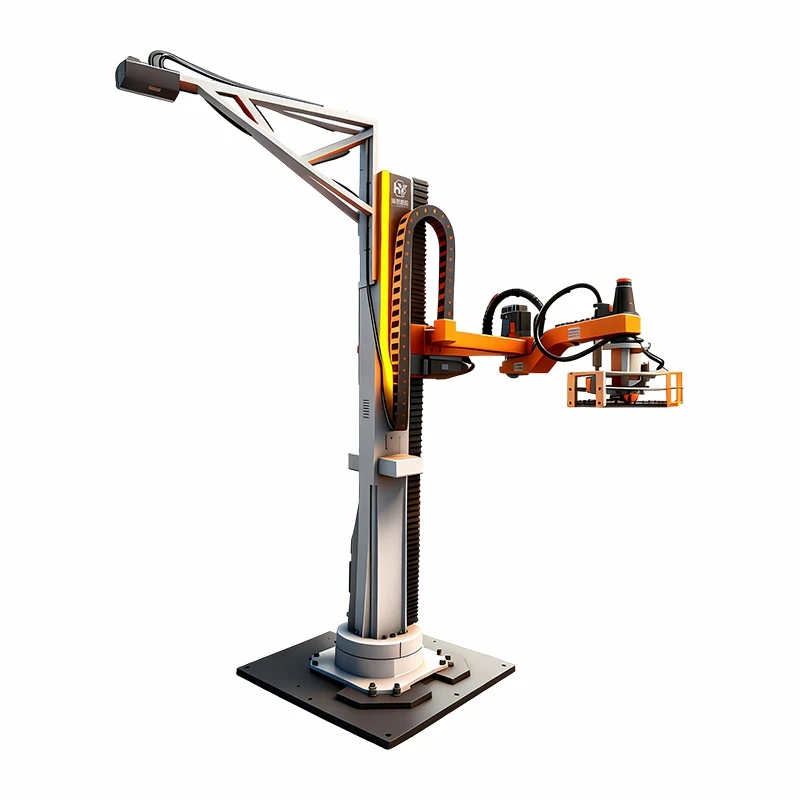
Factors Affecting the Handling of Different Product Weights
Several factors come into play when it comes to handling different product weights with a Column Robot Palletizer. These factors include:
- Payload Capacity: The payload capacity of a Column Robot Palletizer refers to the maximum weight that the robotic arm can handle. When selecting a Column Robot Palletizer, it's important to choose a machine with a payload capacity that is appropriate for the weight of your products. Our Single Column Robot Palletizer offers a range of payload capacities to meet the needs of different applications.
- Gripping Mechanism: The gripping mechanism of a Column Robot Palletizer is responsible for holding the products during the palletizing process. Different types of gripping mechanisms are available, depending on the shape and weight of the products. For example, a vacuum gripper may be used for lightweight, flat products, while a mechanical gripper may be used for heavier, irregularly shaped products. Our Palletizing Robotic Arm is equipped with a variety of gripping mechanisms to ensure secure handling of different product weights.
- Motion Control: The motion control system of a Column Robot Palletizer is responsible for controlling the movement of the robotic arm. This system must be able to accurately position the arm to pick up and place products onto the pallet. When handling different product weights, the motion control system must be able to adjust the speed and force of the arm to ensure smooth and efficient operation. Our Column Palletizing Robot is equipped with advanced motion control technology to ensure precise and reliable handling of different product weights.
Technologies Used in Column Robot Palletizers to Handle Different Product Weights
To handle different product weights, our Column Robot Palletizers are equipped with a variety of technologies, including:
- Load Sensors: Load sensors are used to measure the weight of the products being handled by the robotic arm. This information is used to adjust the gripping force and motion control of the arm to ensure secure handling of the products.
- Adaptive Gripping Technology: Adaptive gripping technology allows the robotic arm to adjust its gripping force based on the weight and shape of the products. This technology ensures that the products are held securely without being damaged.
- Advanced Motion Control Algorithms: Advanced motion control algorithms are used to optimize the movement of the robotic arm. These algorithms take into account the weight and shape of the products, as well as the position of the pallet, to ensure efficient and accurate palletizing.
Case Studies: Handling Different Product Weights with Column Robot Palletizers
To illustrate the effectiveness of our Column Robot Palletizers in handling different product weights, let's take a look at a few case studies.
- Case Study 1: Palletizing Lightweight Products
A food manufacturer was looking to automate the palletizing process for their lightweight cereal boxes. They chose our Single Column Robot Palletizer, which was equipped with a vacuum gripper to handle the boxes. The robotic arm was able to pick up the boxes from the conveyor and place them onto the pallet in a precise pattern. The load sensors on the robotic arm ensured that the boxes were held securely without being damaged. - Case Study 2: Palletizing Heavy Products
A construction company was looking to automate the palletizing process for their heavy bags of cement. They chose our Column Palletizing Robot, which was equipped with a mechanical gripper to handle the bags. The robotic arm was able to pick up the bags from the conveyor and place them onto the pallet in a stable stack. The advanced motion control algorithms on the robotic arm ensured that the bags were placed accurately and efficiently.
Conclusion
In conclusion, Column Robot Palletizers are highly versatile machines that can handle a wide range of product weights. By understanding the factors that affect the handling of different product weights and using advanced technologies such as load sensors, adaptive gripping technology, and advanced motion control algorithms, our Column Robot Palletizers can provide reliable and efficient palletizing solutions for a variety of applications.
If you're interested in learning more about our Column Robot Palletizers or would like to discuss your specific palletizing needs, please don't hesitate to contact us. Our team of experts is ready to help you find the right solution for your business.